

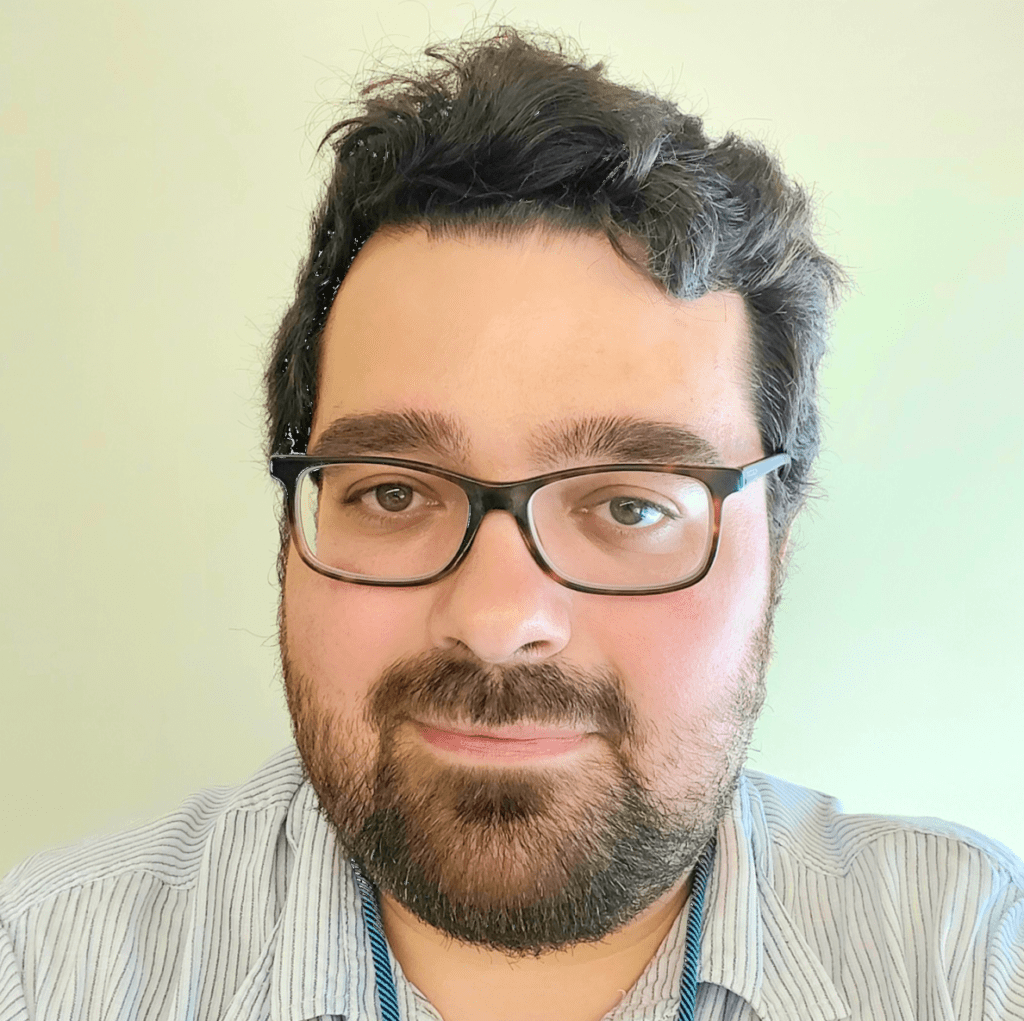
Diogo Ferreira Martins earned a B.Sc. in General and Aquatic Biology from the University of Porto in 2011. He received a Fulbright Research Grant in 2013 for studying migratory fish physiology at the US Geological Survey, MA, USA. He obtained a Ph.D. in Animal Science in 2016 from the University of Porto and was a Postdoctoral Research Associate at the University of Massachusetts, MA, USA in 2017. Diogo specializes in molecular physiology and endocrinology, and he is currently a researcher in the Biodiscovery for Health (B4H) group conducting research focused on the exploration of cyanobacteria/microalgae for biotechnological and biomedical research.
The World Obesity Federation predicts that more than 51% of the world’s population will be living with either overweight or obesity by 2035. Obesity is associated with high-risk diseases such as cardiovascular disease, steatosis, and diabetes and can have a global economic impact of up to $4.32 trillion annually by 2035 if prevention and treatment measures do not improve. Weight loss prevents or reverses obesity related complications, and although treatments exist, they are often inefficient or very invasive. Moreover, sustained weight loss is a challenge and the vast majority of individuals regain most of the weight loss. Weight loss followed by regain known as “weight cycling,” or “yoyo dieting” is prevalent among overweight individuals. Still partial weight regain can lead to a return to baseline values of metabolic risk factors, or even increase mortality and cardiovascular events. Animal models have become essential for biomedical research, allowing an enhanced recognition of pathogenic pathways involved in numerous human disorders. Due to the challenges of interpreting data from human studies, functional experiments in animals have been recently carried out where weight gain and weight loss can be precisely induced through careful manipulation of dietary factors such as macronutrient composition and calorie density. However, these studies have been carried out in mammals (often referred to as higher vertebrates) like rodents and there is a significant and urgent push to substitute rodents with zebrafish in research due to its greater ethical acceptability. Zebrafish (Danio rerio) has been growing as a model for biomedical research in areas like cancer, cardiology, endocrinology, and neuroscience. Zebrafish have high genetic homology with humans as well as analogous measurable phenotypes, which makes them valuable models for studying various biological processes and diseases. In addition, zebrafish offer many advantages over rodents in terms of experimental feasibility, cost-effectiveness, ethical considerations, and the ease of transgenic manipulation, functional genetics, or creation of “reporter animals”. The transparent embryos allow for real-time observation of developmental processes and disease phenotypes, while their rapid reproduction cycle and high fertility facilitate large-scale genetic screening and use in high throughput screening assays such as those used in drug discovery. Overall, zebrafish’s characteristics make it a gold standard in scientific research and can provide valuable insights while minimizing the ethical concerns and logistical challenges associated with studies involving higher vertebrates.
To this date, no studies have been performed to establish a zebrafish weight cycling model as well as provide a molecular characterization that will provide a guideline for future research aiming at creating transgenic lineages for weight cycling disease research and treatment high throughput drug screening.
In this research project we aim to develop a novel model of weight cycling in zebrafish, characterize it from a molecular perspective using a multi-omics approach, and elucidate the multigenerational effects of weight cycling in the metabolism of the offspring of weight cycled zebrafish. For this, we first aim to establish an experimental protocol using zebrafish to determine the healthy weight and physiological baselines in zebrafish and successfully induce an obesity phenotype in zebrafish using a high-fat diet. Secondly, we aim to validate the experimental procedure by using biometric data such as length, weight, and percentage of fat content based on microcomputed tomography analyses. Thirdly, we aim to determine the metabolomic changes in the blood of zebrafish between experimental groups. As a fourth objective we aim to successfully perform an RNAseq analysis and determine the differentially expressed genes related to metabolic pathways in healthy, obese, and weight cycles zebrafish and the development of a Gene Network map, that will allow for the identification of families of metabolic pathways related to each condition tested. A cross validation of results generated from RNAseq analysis with independent methods for transcriptomic analyses. A proteomics approach is also applied here to determine changes at the protein level. The RT-PCR and proteomics validation will itself create a new genetic-based and protein-based diagnostic tools for direct use in clinical applications. Finally, we further investigate into the multigenerational effects of weight cycling by analyzing the metabolic responses of the offspring of zebrafish that underwent weight cycling. This will be performed using high throughput assays using zebrafish larvae targeting obesogenic, anti-diabetic, anti-steatosis, and appetite-modulatory activities. This objective will address the lack of knowledge about the possible multigenerational effect that weight cycling might have on our society.