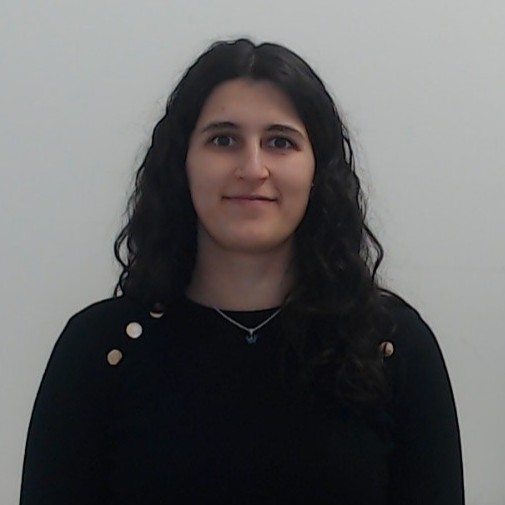
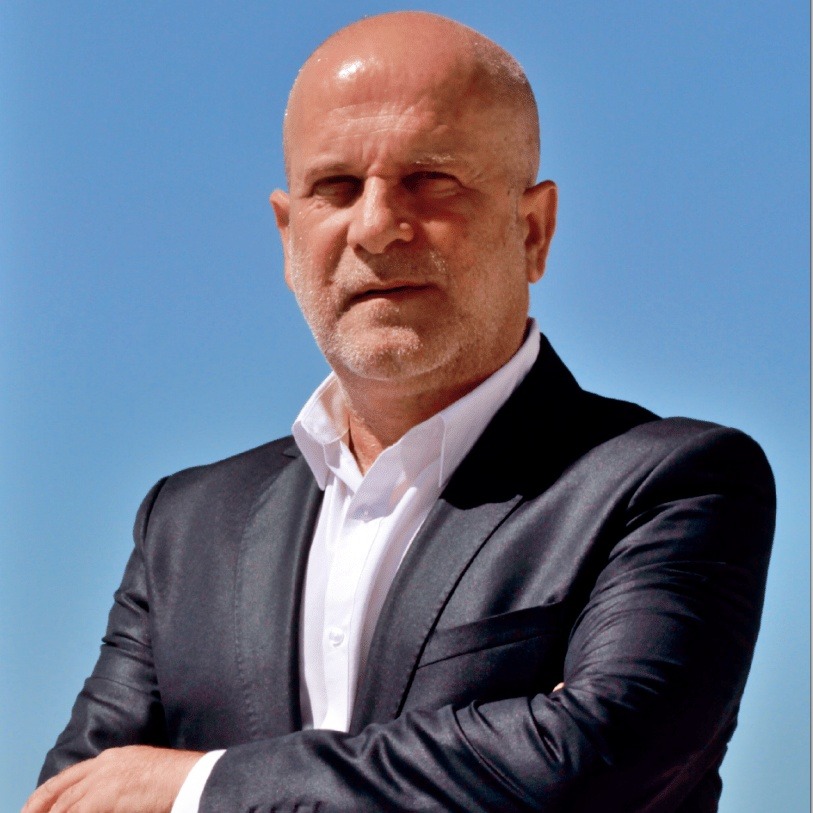
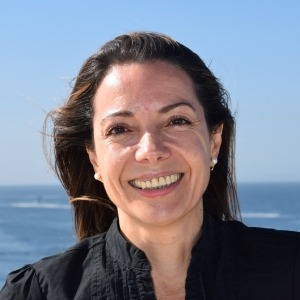
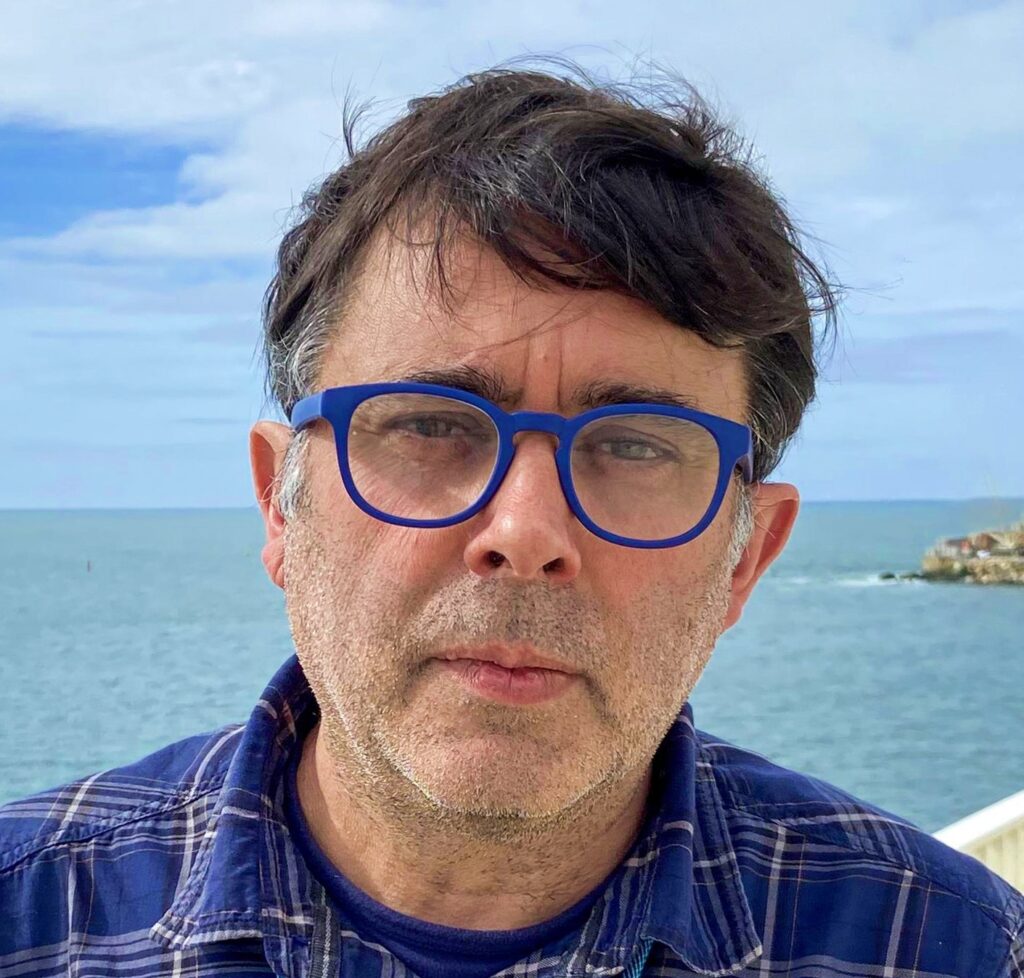
The External Council for Scientific and Technical Monitoring has the task of providing the essential elements for a correct scientific-technical evaluation of the Directorate’s activity plans and reports, as well as providing support to the Directorate on matters of a scientific-technical or pedagogical nature, issuing opinions and recommendations. It is made up of a minimum number of three and a maximum of five individuals, Portuguese or foreign, of recognized technical and scientific merit, appointed on a proposal from the Board for a period of four years.
Françoise Médale
INRAE
William Gerwick
Scripps Institute of Oceanography - USA
Mike Elliot
Hull University
Laura Giuliano
CIESM
Committees
PhD Students Committee
The PhD Students Committee was established in 2019 to serve as a representative body for all PhD students affiliated with CIIMAR. The committee aims to facilitate effective communication between students and the institution’s directive board, advocate for student rights, and organize activities that foster capacity-building and networking opportunities. These initiatives further encourage collaboration among students, researchers, and collaborators from the broader CIIMAR community, including all associated faculties.
The Committee organizes regularly a diverse range of social and scientific activities, including an annual reception to new PhD students, informal seminars featuring early career researchers and industry professionals from biotech companies, workshops, and the annual Blue Think Conference – the committee’s flagship and largest event.
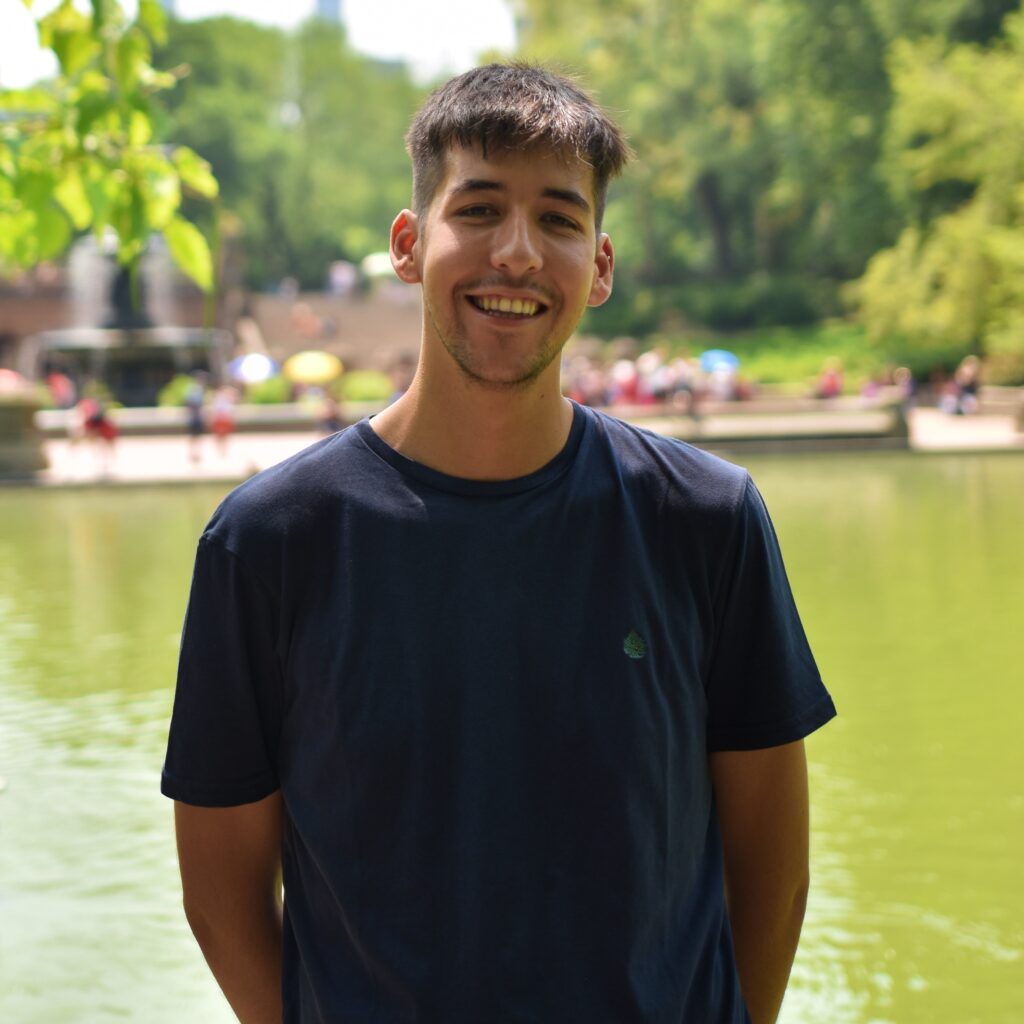
Nicola Gambardella was born in 1999 in Mirano, Italy, and graduated from the University of Padua in 2021 with a dissertation on metagenomics of extreme environments.
He is now doing his master’s degree in Molecular Biology with a specialization on Bioinformatics at the University of Padua, as well as his master’s internship with the CIIMAR Microbiome Ecology and Biogeochemistry Team.
During his project, he was able to work with metagenomics and metabarcoding data to reveal the limitations of current bioinformatic methodologies in microbial ecology.
He intends to pursue his studies in this topic with a PhD fellowship.
Afonso Mota is a PhD candidate in Astronomy at the University of Porto working in the field of Astrobiology. His research focuses on the connection between Microbiology and Astrophysics to study exoplanet habitability. He holds a master’s graduate in Biology of Extreme Environments from the University of Naples “Federico II”, in Naples, Italy. He also has previous background in Astronomy and Physics, having developed his MSc thesis at the German Aerospace Center (DLR) in Cologne, Germany. He has participated in several international conferences and actively engages in science communication with the general public.
Pedro Cruz has a bachelor’s in environmental sciences and technology from FCUP and a master´s in Environmental Toxicology and Contamination from ICBAS/FCUP. Afterwards he worked in different projects some in food safety and some in exploiting cyanobacteria and microalgae potential.
He has been exploring cyanobacteria and microalgae, from their isolation to the assessment of their different bioactivities.
Currently, he is a PhD student in Marine Biotechnology and Aquaculture from FCUP. His work focuses on development of biofertilizers, biostimulants and bioprotectors from novel cyanobacterial and microalgal strains.
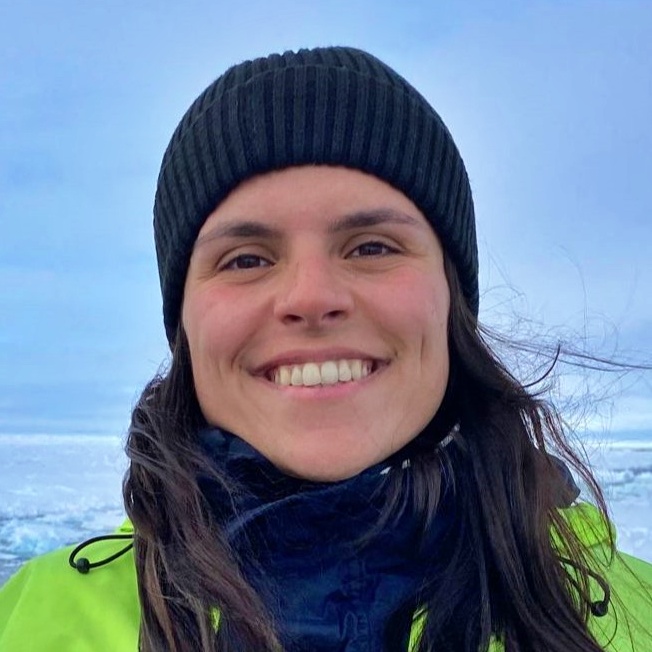
Leonor Pizarro has a Bachelor’s degree in Microbiology and a Master’s in Applied Microbiology, both from the Escola Superior de Biotecnologia – Universidade Católica Portuguesa do Porto. After working as a research techician at CIIMAR for the DeepResist project, she is now a PhD student at CIIMAR, in colaboration with WHOI (USA), where she explores metal impacts and the bioremediation potential of deep-sea bacteria and microbial communities. Leonor participates regularly in deep-sea cruise expeditions where she collects samples for her PhD work, and learns about various equipments and techniques.
Leonor is also a part of CIIMAR’s PhD students committee, having participated in the organization of 2024’s Blue Think Conference, among other activities.
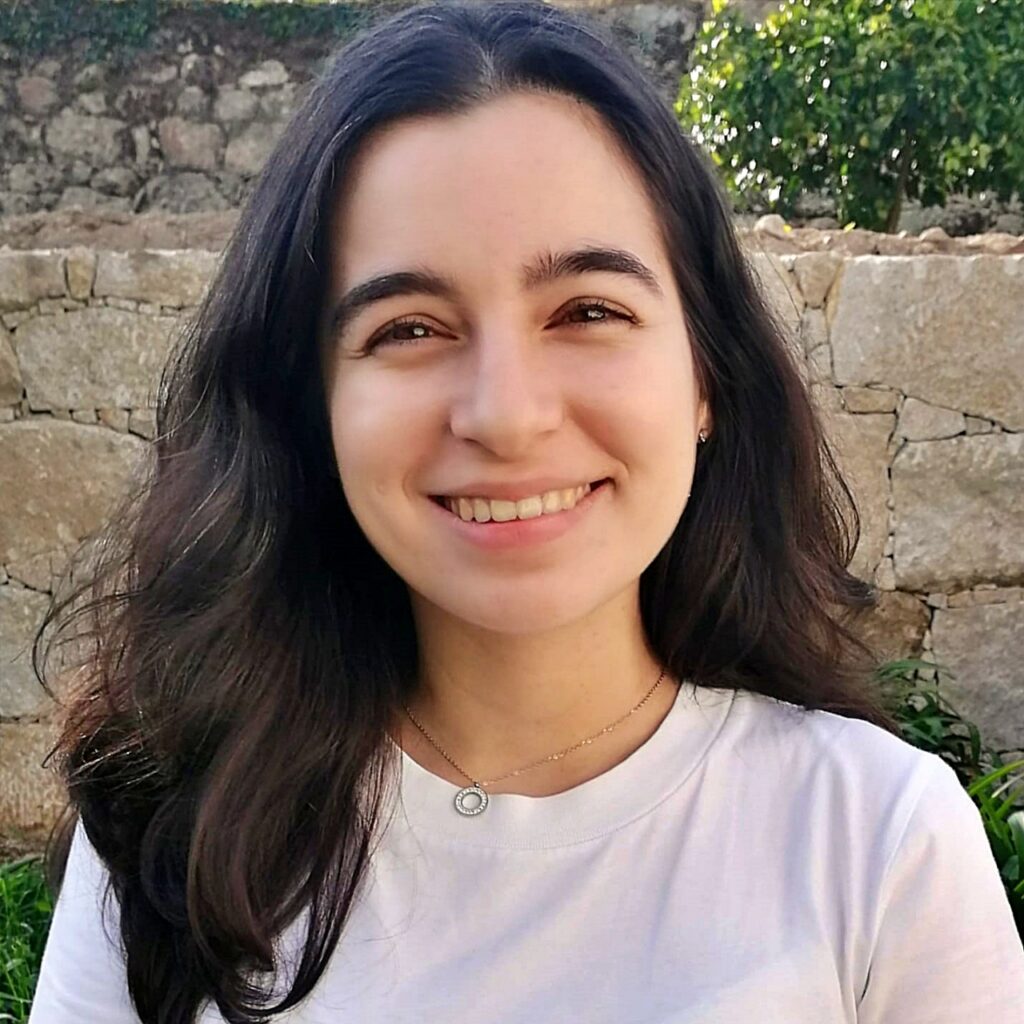
Maria Francisca Espincho has a degree in Biochemistry and a master’s degree in Environmental Toxicology and Contamination from the Faculdade de Ciências da Universidade do Porto (FCUP) and the Instituto de Ciências Biomédicas Abel Salazar (ICBAS). She is currently a PhD student at ICBAS, and her work focuses on the study of fishing nets as an emerging pollutant and the use of biodegradable fishing nets as a sustainable alternative.
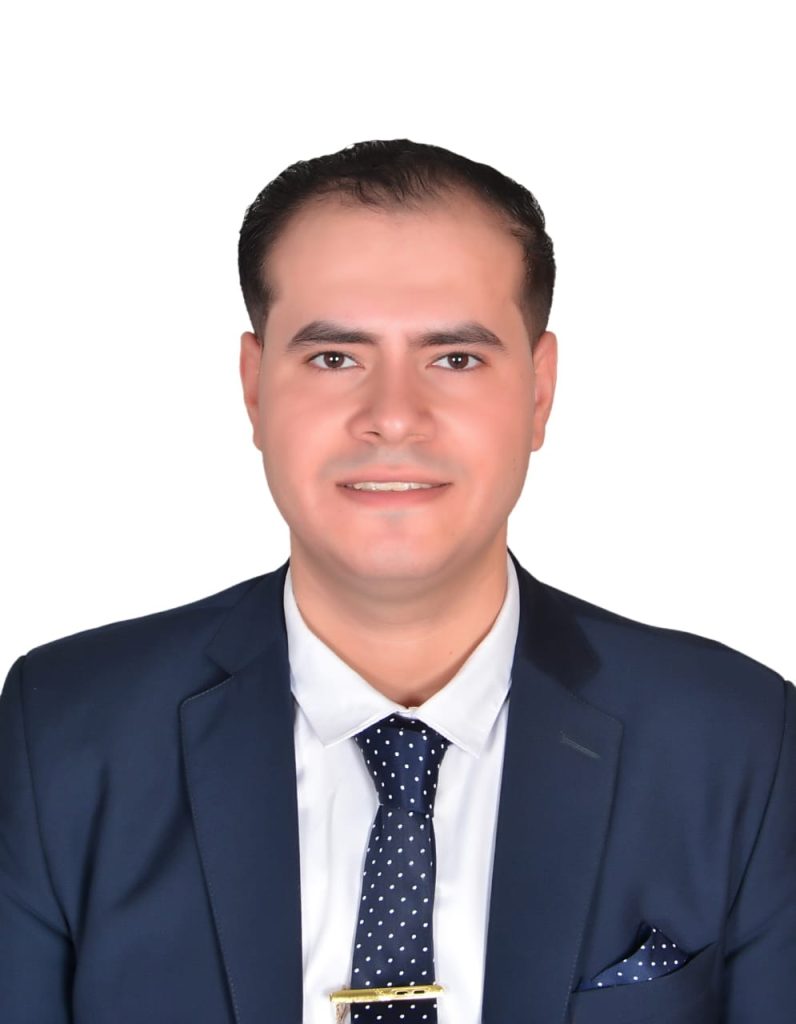
Mena Nagy Adly Khalaf, a PhD candidate in Marine Science, Technology, and Management at the University of Porto, combines a strong foundation in bioinformatics, deep learning, and computer science. He holds both a Master’s and a Bachelor’s degree in Computers and Information (Information Systems) from Assiut University, where he graduated top of his class. His Master’s thesis, “Prediction of Molecular Compound Structures Using Deep Learning,” reflects his deep expertise in computer science, bioinformatics, and AI. His research focused on generative deep learning techniques for molecular and protein structure prediction. Currently, as a research assistant at CIIMAR, he contributes to the iCulture project by applying artificial intelligence to analyze omics data, aiming to uncover genetic mechanisms linked to seaweed adaptation and molecular production. Mena has published in peer-reviewed journals including ACS Omega and IJACSA, with a conference paper published in IEEE Xplore. He previously worked as an Assistant Lecturer at Assiut University, teaching across bioinformatics, information systems, and computer science programs. Mena also shares his expertise through the Narmer Academy YouTube channel and actively supports community initiatives in Egypt. His technical skills include Python, R, machine learning, deep learning, and various bioinformatics tools—highlighting his dedication to innovation in computational biology and sustainable marine applications.
Afonso Mota is a PhD candidate in Astronomy at the University of Porto working in the field of Astrobiology. His research focuses on the connection between Microbiology and Astrophysics to study exoplanet habitability. He holds a master’s graduate in Biology of Extreme Environments from the University of Naples “Federico II”, in Naples, Italy. He also has previous background in Astronomy and Physics, having developed his MSc thesis at the German Aerospace Center (DLR) in Cologne, Germany. He has participated in several international conferences and actively engages in science communication with the general public.
Leonor Pizarro has a Bachelor’s degree in Microbiology and a Master’s in Applied Microbiology, both from the Escola Superior de Biotecnologia – Universidade Católica Portuguesa do Porto. After working as a research techician at CIIMAR for the DeepResist project, she is now a PhD student at CIIMAR, in colaboration with WHOI (USA), where she explores metal impacts and the bioremediation potential of deep-sea bacteria and microbial communities. Leonor participates regularly in deep-sea cruise expeditions where she collects samples for her PhD work, and learns about various equipments and techniques.
Leonor is also a part of CIIMAR’s PhD students committee, having participated in the organization of 2024’s Blue Think Conference, among other activities.
André Ferreira holds a BSc in Biology (2022) and an MSc in Functional Biology and Biotechnology of Plants (2024) from the University of Porto. He has contributed to the BIOREM project, developing expertise in environmental biotechnology. Currently supported by a research grant, his work focuses on applying bioremediation strategies to mitigate the impact of crude oil spills, marine fuels, and hazardous and noxious substances (HNS) in seaports
Inês Leal has a bachelor’s degree in biology from the University of Porto (FCUP) (2020) and a master’s degree in Molecular and Microbial Biology from the University of Algarve (2022). She worked as a research fellow at CCMAR-Algarve for two years on a project between Portugal and Angola. She is currently a PhD student at FCUP and will be doing her project at CIIMAR and Águas e Energia do Porto. Her work focuses on bioremediation solutions for the removal of emerging micropollutants in wastewater treatments.
ORBEA main aim is to advise, monitor and evaluate projects involving the use of animals, including:
Advice regarding the acquisition, housing, care and use of animals, as well as promoting the 3Rs of animal experimentation: replacement, reduction and refinements;
Definition of monitoring and information communication processe;
Monitoring project results, taking into account the effects on the animals;
PhD in Biology at FCUP, Porto. Full Professor – Faculty of Sciences of Porto University and director of CIIMAR – Interdisciplinary Center of Marine and Environmental Research, Chief Strategy Officer – Agriculture – Fykia Biotech. Director of the Team of Blue Biotechnology and Health (BBE) of CIIMAR.
Main research: cyanobacteria secondary metabolites: toxins and molecules with biotechnological applications. Director of the LEGE culture collection comprising more than 2000 strains of cyanobacteria and microalgae. Published 490 papers in Biotechnology and Ecotoxicology. Coordinator of two H2020 projects: RISE and ERA Chair.
Director of the Doctoral Program in Marine Biotechnology and Aquaculture (U Porto and U Minho).
Helena Peres is a Research Nutritionist for the Center of Marine and Environmental Research (CIMAR), at the University of Porto, Portugal, since 2003, and an Invited Associated Professor at the Sciences Faculty, at the University of Porto. Since 2010, she has been invited to collaborate with the post-graduation course, as an Invited Professor at UNESP- Faculty of Veterinary Medicine and Animal Science, São Paulo State University, AquaNutri, Botucatu, SP, Brazil. Her domain of specialization is fish nutrition, with particular interest to amino acids/protein and energy metabolism; nutritional strategies for reducing environmental impact of aquaculture; nutritional strategies to modulate wellbeing, stress and infection resistance, and Integrated Multi Trophic Aquaculture (IMTA).
Proactive marine ecologist with more than 25 years of experience in the research coastal ecosystems. My research primarily involves experimental ecology and modeling tools to understand and predict the effects of global changes on coastal populations and ecosystems, from both structural and functional perspectives.
Keywords:
Marine Ecology, Coastal ecosystems, Climate change, Biodiversity, Ecosystem functioning, Marine Forests, Biological invasions, Phycology.
Head of the Benthic Ecology Team at CIIMAR since 2020.
I am Senior Scientist at CIIMAR, where I head the Ecosystem Monitoring and Sustainability (EcoSignal) team and the Technological Platform of Ecotoxicological Services. I am also Invited Assistant Professor, and Coordinator of the UNESCO Chair Ocean Expert, at the University of Porto. I am a collaborator of the research group Monitoring and Modelling at Universidade Positivo (Brazil). My main expertise is in environmental toxicology and monitoring, hazard assessment, pollution and biodiversity, and ocean literacy. I got the Magellan Circumnavigation Research Prize (bee biodiversity, FCT) in 2020. My PhD is in Biomedical Sciences, with research work at the CNRS (France).
Benjamín Costas completed a Masters in Aquaculture by the University of Algarve in 2006, and in 2011 achieved a PhD degree in Animal Science by the University of Porto. Benjamín Costas is currently Principal Researcher at CIIMAR and Head of Aquatic Animal Health, a young and strongly motivated team highlighting nutritional immunology as main research line. Dr. Costas is passionate about aquatic animal health and welfare and is actually coordinating several national and international projects in those topics. Main research is targeting novel strategies to improve fish disease resistance and welfare as well as on non-invasive biomarkers of animal health.
Luísa M.P. Valente (Ph.D.) is a biologist with over 25 years of research experience in fish nutrition and sustainable aquaculture focusing on: Fish robustness; Environmental impact; Muscle growth and flesh quality; Functional feeds; Circular economy, One Health.
Senior scientist and Full Professor at ICBAS, University of Porto. Director of the Animal Science Doctoral programme. Member of the Directive Board of CIIMAR, coordinator of the Biology, Aquaculture and Seafood Quality thematic line. Member of the Directive Board of B2E- Collaborative Laboratory for the Blue Bioeconomy. Member of the European Aquaculture Society (EAS) having served as board member during 4 years.
“From people to people”, this is the expression that made me fall in love with the Human Resources area and want to learn more and more about it.
Throughout my experience, I have always tried to provide a great experience for everyone in an organization, in order to obtain talented and motivated people.
I have a degree in Human Resources and, in my enthusiasm to obtain more knowledge in this area, I am currently finalizing my master’s degree in Economics and Human Resources Management.
A geographer specialized in public policies with a focus on Human Rights and Culture, Paz is a PhD candidate in Marine Biotechnology and Aquaculture. She has experience in Python programming, remote sensing, satellite image processing, and mastery of the use of ArcGIS. The analytical approach she employs in her research is biogeographical, involving data analysis and processing. Additionally, she possesses knowledge and experience in climate change issues, data modeling associated with species distribution, climate alterations, and the design of programs aligned with the Sustainable Development Goals (SDGs) and Nature-Based Solutions (NBS).
Gary Kett is a marine ecologist from Ireland, he received his PhD from University College Cork after studying the impacts of marine climate change on intertidal shellfish aquaculture, specifically, he examined how changes in UV radiation affected the health of Pacific oysters and the development of bacterial and viral pathogens of concern. His previous research experience also includes marine mammal ecology and conservation and monitoring offshore industries for impact mitigation. Gary has held the role of Ireland’s All-Atlantic Ocean Youth Ambassador engaging in High-Level dialogue, ocean science diplomacy, science communication, and network building. He joined the LBC group to work on Marine Litter, implementing solutions to reduce plastic pollution and enhance stakeholder engagement.
Legal Support, Human Resources and Onboarding Services, Administrative Directorate
With a degree and graduate studies in Law, from Faculdade de Direito da Universidade do Porto, Isabel Regal is responsible for the Juridical Support and Public Procurement Office. Her duties include advising the Board of Direction and the support to other offices.
Ana Inês Nóbrega is a CIIMAR’s laboratory technician. Has a bachelor in Applied Biology, from University of Minho, and is currently at her master’s degree in marine biology at Aveiro University.
I am an Assistant Researcher and leader of the Deep-Sea Biodiversity and Conservation Research Team (DEEP) at CIIMAR – University of Porto (Portugal), and an invited Associate Professor in Deep-Sea Biology at the Department of Biological Sciences of the University of Bergen (Norway). I hold a PhD in Biology (2009, University of Amsterdam) and a degree in Marine Biology (2003, University of the Azores). My research focuses on the understanding of basin-scale diversity, biogeographic, and connectivity patterns of deep-sea vulnerable marine species and habitats (e.g. sponge grounds, cold-water coral gardens), using a combination of disciplines (taxonomy, systematics, ecology and genetics), and exploration and sampling tools (remotely operated vehicles, towed cameras). I also strive to advance the science-policy-society interface, working with local communities to integrate their knowledge and perceptions on marine biodiversity into decision-making; as well as developing tools and transferring knowledge to support the implementation of agreements and instruments for sustainable management, conservation, and restoration of deep-sea habitats. Over the years, I have trained and mentored over 30 students from BSc to PhD levels in the fields of sponge taxonomy, systematics, phylogenetics, and population genomics. I co-coordinated the H2020 SponGES project, and currently coordinate the DEEPbaseline project, an awardee of the Ocean Conservation Fund, and the SponBIODIV project funded in scope of the European Biodiversity partnership (Biodiversa+). I collaborate with a vast network of scientists from around the globe, as well as with local fishing communities.
Irene Martins (PhD in Ecology) is the Principal Investigator of the Marine Ecosystem team of CIIMAR (MEMO). Her research focuses the development of ecological models of organisms, populations and marine ecosystems, aiming at understanding their dynamics and predict their variations over time and space, induced by several stressors (e.g., climate change, plastics, pharmaceuticals, pollutants, IAS). She is interested in multidisciplinary approaches to marine ecosystems, through the integration of different numerical tools and IT solutions (ecological, hydrodynamic, socio-economic models, GIS, APP, etc.), that can result in valid frameworks to support the sustainable development and preservation of these ecosystems.
Luis R. Vieira is a Researcher at the CIIMAR-UP. His scientific activities focus on Ecology and Ecotoxicology, covering several priority topics, including coastal and estuarine ecology, biodiversity, water quality assessment, ecosystems vulnerability, contaminants of emerging concern (e.g. marine litter and microplastics), combined effects of multiple stressors on organisms, climate change impacts, and other pressures on aquatic wildlife. He is also working on the science-policy-society interface, multi-sectoral stakeholder engagement and promoting ocean literacy. Luis R. Vieira is the author of several scientific production indicators in Environmental Sciences, including international books, book chapters and publications in ISI journals.
Pedro Cruz has a bachelor’s in environmental sciences and technology from FCUP and a master´s in Environmental Toxicology and Contamination from ICBAS/FCUP. Afterwards he worked in different projects some in food safety and some in exploiting cyanobacteria and microalgae potential.
He has been exploring cyanobacteria and microalgae, from their isolation to the assessment of their different bioactivities.
Currently, he is a PhD student in Marine Biotechnology and Aquaculture from FCUP. His work focuses on development of biofertilizers, biostimulants and bioprotectors from novel cyanobacterial and microalgal strains.
Rodrigo Ozorio (RO) has more than 20 years of experience in Aquaculture, special emphasis on the fish nutrition. He holds MSc and PhD degrees from Wageningen University and Research Centre (WUR), The Netherlands. RO is the expert in the nutritional dynamics of fish and the economic potential of new aquaculture species based on a set of husbandry and physiological criteria. He participated in 15 national and international projects (overall budget of 2.0 million euros), including four projects as scientific leader dealing with new aquaculture systems and sustainable alternative for intensive marine aquaculture. He supervised 8 PhD theses and 15 MSc theses and he authored over 56 scientific publications.
Ralph Urbatzka is a principal researcher at CIIMAR, and team leader of “Biodiscovery for Health”. He graduated in Biology in 2002 in Cologne, Germany and received his PhD in 2007 in Molecular Biology from the Humboldt-University Berlin, Germany. His current research interests focus on the bioactivity screening and elucidation of molecular mechanism of natural products from aquatic ecosystems, in particular for metabolic diseases.
Biochemistry graduate and with a MSc in Applied Biology, and a post-graduation in Scientific-Illustration. My main interest is entomology and associated microbiology or parasites. Have developed work with focus on how fungus-growing termites select for their symbiont fungi in their colonies at the University of Copenhagen. My master’s thesis focused on documenting mite communities of Rhynchophorus ferrugineus (RPW) and unravelling their role as a pest-control mechanism. I am currently a research grant holder developing work isolating endophytic bacteria from the RPW-host palm tree to develop novel biocontrol methods based on plasmid insertion targeting RPW genes. In parallel to research, i am working as a freelance scientific illustrator doing both scientific and naturalist illustrations.