The Microbiology and Biotechnology in Aquaculture (MBAqua) team studies the microbial communities associated with aquaculture animals and develops microbiology-based solutions to control aquaculture diseases. Microbial communities of mucosal surfaces (e.g., gut, gills, skin) play a critical role in shaping the health of aquatic animals. These communities act as a protective barrier, preventing colonization by harmful pathogens, and interact with the host immune system, modulating immune responses. The MBAqua team investigates mucosal microbiota dynamics across aquaculture species and farming conditions to improve aquaculture outcomes. The team is particularly interested in isolating and characterizing aquaculture pathogens and beneficial microbes. A deeper understanding of aquaculture pathogens’ biology, ecology, and interactions with aquatic hosts (and their commensals) is crucial to diagnosing and managing infectious diseases. Additionally, obtaining novel bacterial strains with biotechnological potential- such as probiotics or sources of enzymes or antimicrobial molecules- is the basis for developing innovative strategies to control aquaculture diseases. The MBAqua team is also working on new vaccination technologies, like bacterial spores or extracellular vesicles, to develop oral vaccines for aquaculture.
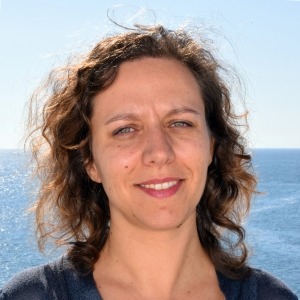
Cláudia R. Serra obtained her PhD in Biology at ITQB-NOVA, where she applied microbial genetics and molecular biology tools in the functional analysis of bacterial genomes, identifying and characterizing important genes of gastrointestinal isolates with biotechnological potential. She is currently a post-doc researcher at CIIMAR, dedicated to the characterization of gastrointestinal microbial communities of economically important fish species and to the development of novel probiotics for use in aquaculture. Claudia has more than 10 years of practical lab experience in academic settings with strong connections to pharma and animal-feed industries. Cláudia R. Serra obtained her PhD in Biology at ITQB-NOVA, where she applied microbial genetics and molecular biology tools in the functional analysis of bacterial genomes, identifying and characterizing important genes of gastrointestinal isolates with biotechnological potential. She is currently a post-doc researcher at CIIMAR, dedicated to the characterization of gastrointestinal microbial communities of economically important fish species and to the development of novel probiotics for use in aquaculture. Claudia has more than 10 years of practical lab experience in academic settings with strong connections to pharma and animal-feed industries.
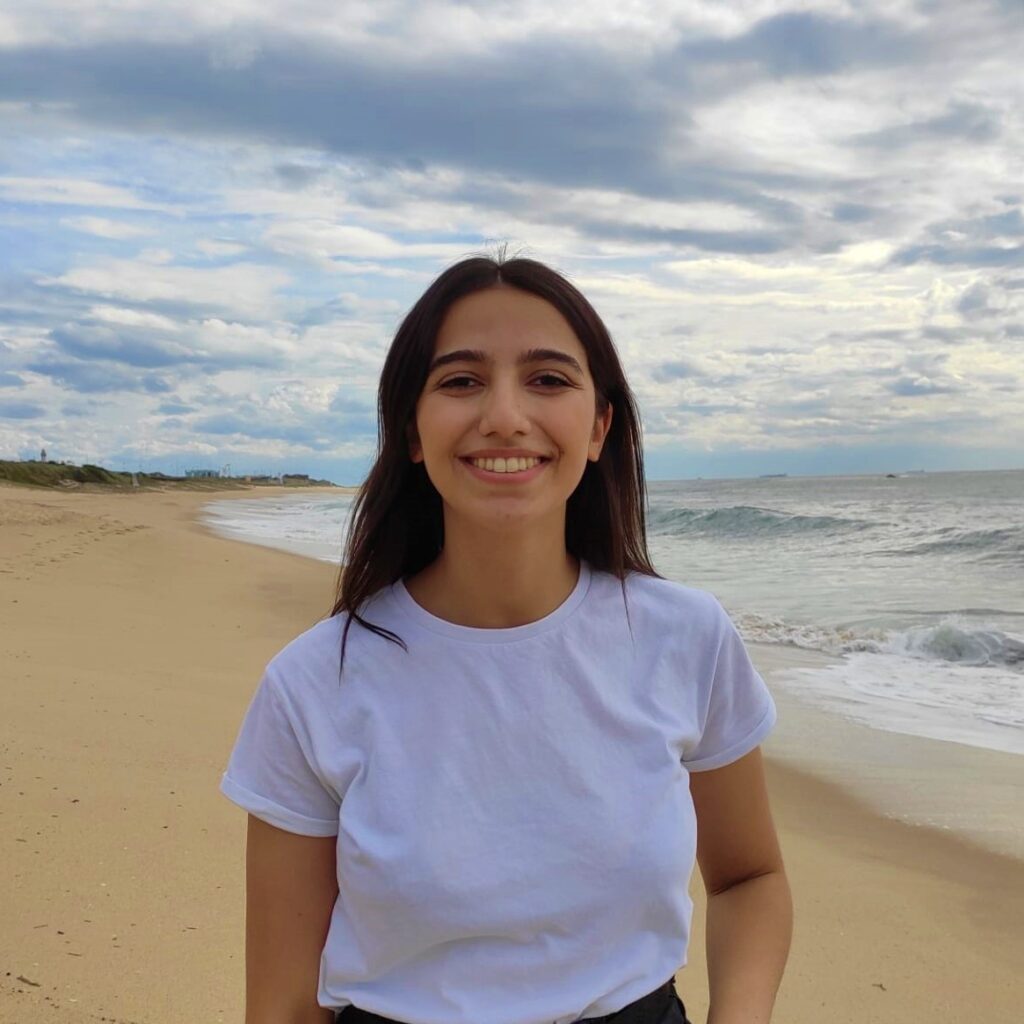
Bárbara Guedes completed her BSc in Biology (2019) and MSc in Cellular and Molecular Biology (2022) at the Faculty of Sciences of the University of Porto. She is now a PhD candidate at FCUP, researching the potential of Bacillus spores as oral vaccines for aquaculture. Currently, Bárbara has three articles published in peer-reviewed international journals, two of which as the first author. Her main interests include molecular biology, aquaculture, immunology, and biotechnology.
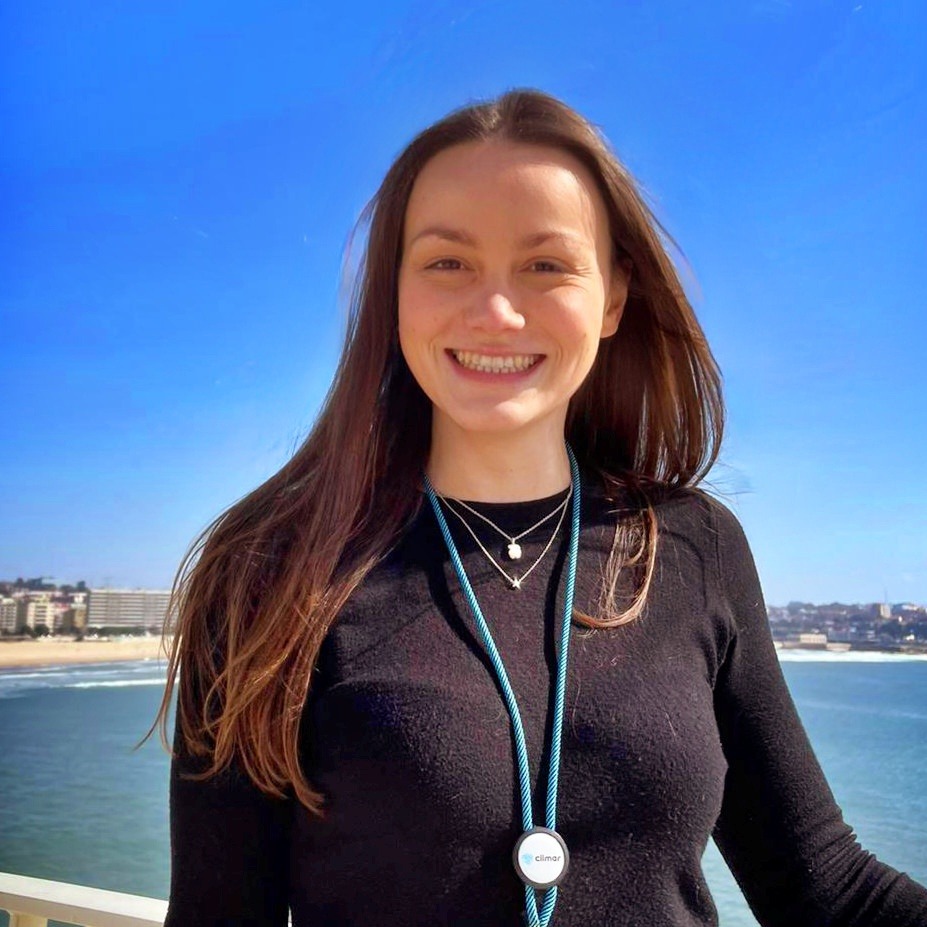
Gabriela Gonçalves has a bachelor’s degree in Biochemistry and completed her master’s degree in Food Science and Technology, in 2021. In 2021 she started her PhD focusing on the development of oral vaccines for aquaculture using Bacillus spores as delivery vehicles. She has participated in 6 R&D projects, co-authors 6 papers in international scientific journals and won 4 distinctions. Gabriela was part of the team “ProbioVaccine” which won the 928 Startup Challenge in 2021
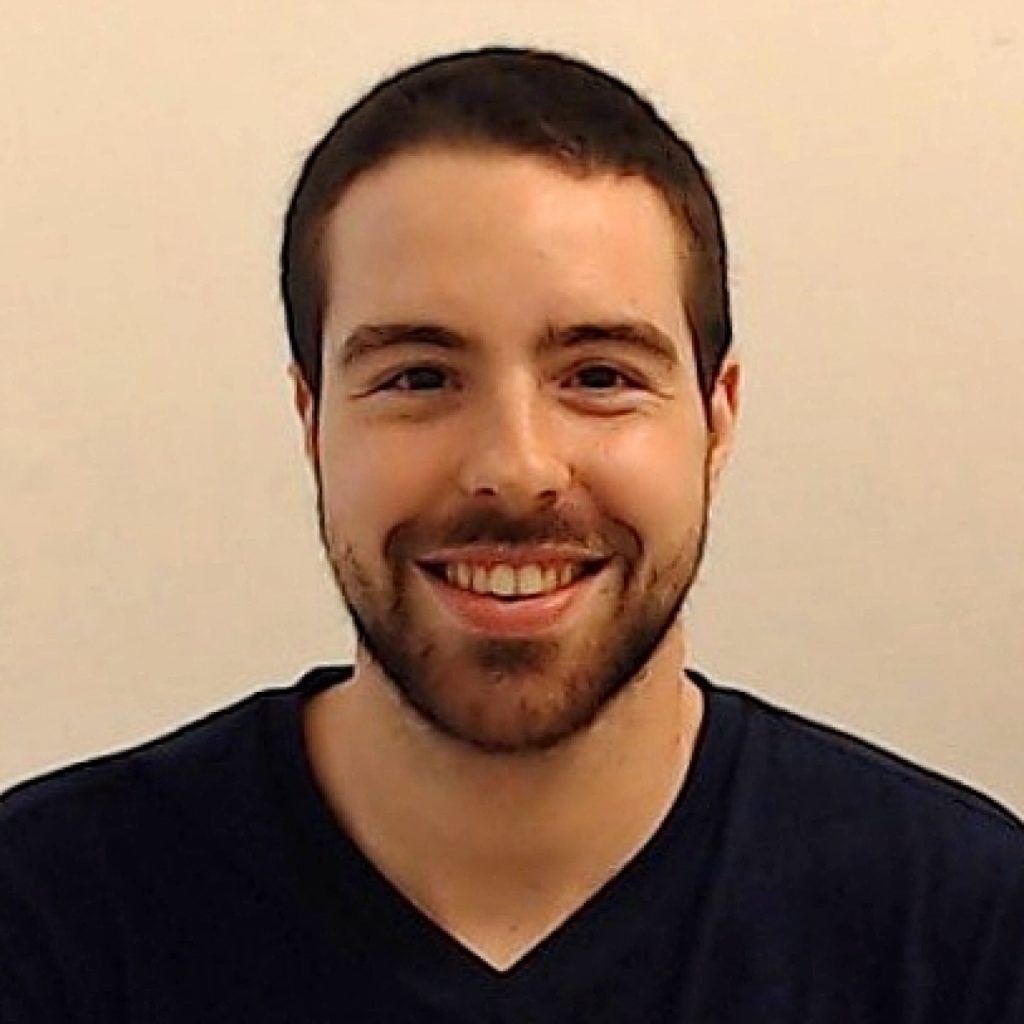
Jorge García Márquez has a PhD in Advanced Biotechnology (2024, University of Malaga, cum laude, international mention). He has been involved in regional and national research projects. Author of 25+ publications (articles and book chapters) and 30+ conference presentations. Furthermore, he has been awarded a MSCA Postdoctoral Fellowship to develop the PHOTOVACCINE project at CIIMAR under Dr. Claudia Serra’s supervision.
Miguel Castro holds a bachelor’s in Genetics and Biotechnology and a master’s in Food Engineering from the University of Trás-os-Montes e Alto Douro. In 2021, he contributed to the molecular identification of Dictyocaulus capreolus in cervids, marking a first in Portugal and resulting in his first publication. From 2022 to 2023, he researched Food Safety in Restaurants, presenting significant findings at conferences and publishing two papers as the lead author. Currently, he works with CIIMAR’s NUTRIMU Group on the Horizon 2020 project “NEOGIANT,” exploring grape extract applications as antimicrobial alternatives in aquaculture.
Rafaela A. Santos obtained her PhD in Biology at CIIMAR-FCUP where she applied different microbiological, cellular, and molecular biology tools to characterize Bacillus spp. and their biotechnological applications as disease-preventive agents for the aquaculture sector. Currently, she is a Junior Researcher at Fish nutrition and welfare group dedicated to the development of novel strategies to fight diseases in aquaculture, including probiotics, oral vaccines and Bacillus bioactive compounds as disease-preventive molecules. Rafaela has more than 8 years of lab practical experience in academic settings with strong connections with the animal-feeds industries, counting 1 licensing agreement and 5 knowledge-transfer Business Ignition Programs.
Ricardo Daniel Coelho Couto has a degree in Biology and a master’s degree in Applications in Biotechnology and Synthetic Biology (Faculty of Sciences of the University of Porto), where his dissertation focused on the use of Bacillus subtilis spores as delivery vehicles for chitinases, for the supplementation of aquafeeds.
Rodrigo Oliveira has a Bachelor’s degree in Biology and is currently enrolled in the Master’s in Biotechnology and Synthetic Biology (Faculdade de Ciências da Universidade do Porto). As part of his dissertation, he will be focusing on exploring Bacillus spp. antimicrobial compounds as a novel strategy to prevent fish bacterial infections.
Stamatis Kapasakis holds an Integrated Master’s in Animal Science and Aquaculture from the Agricultural University of Athens and an Erasmus Mundus Joint Master’s in Health Management in Aquaculture from Ghent University and the Norwegian University of Science and Technology. He is currently a PhD candidate at FCUP, University of Porto, working on probiotics in biofloc systems. His interests include aquaculture biotechnology, microbial ecology, molecular biology, and aquatic animal health.
Rangel, F., Monteiro, M., Santos, R.A., Ferreira-Martins, D., Cortinhas, R., Gasco, L., Gai, F., Pousão-Ferreira, P., Couto, A., Oliva-Teles, A., SERRA, C.R., Enes, P.
2024Aquaculture2. Santos, R.A., Cardoso, C., Pedrosa, N., Gonçalves, G., Matinha-Cardoso, J., Coutinho, F., Carvalho, A.P., Tamagnini, P., Oliva-Teles, A., Oliveira, P., SERRA, C.R
2023Microorganisms3. Gonçalves, G., Santos, R.A., Coutinho, F., Pedrosa, N., Curado, M., Machado, M., Costas, B., Oliva-Teles, A., Couto, A., SERRA C.R.
2022Frontiers in ImmunologyMatinha-Cardoso, J., Coutinho, F., Lima, S., Eufrásio, A., Paulo Carvalho, A.P., Oliva-Teles, A., Bessa, J., SERRA, CR., Oliveira P.
2022Microbial BiotechnologySantos, R.A., Mariz-Ponte, N., Martins, N., Magalhães, R., Jerusik, R., Saavedra, M.J., Peres, H., Oliva-Teles, A., SERRA, C.R.
2022Fish & Shellfish ImmunologyRangel, F, Enes, P, Gasco, L, Gai, F, Hausmann, B, Berry, D, Oliva-Teles, A, SERRA, C.R. Pereira, F.C.
2022Frontiers in MicrobiologySantos, R.A., Monteiro, M, Rangel, F., Jerusik, R., Saavedra, M.J., Carvalho, A. P., Oliva-Teles, A., SERRA, C.R.
2021Marine Drugs8. Santos, R.A., Oliva-Teles, A., Pousão-Ferreira, P., Jerusik R., Saavedra MJ, Enes P., SERRA CR.
2021Marine BiotechnologySERRA, C.R., Oliva-Teles, A., Enes, P., Tavares F.
2021Scientific Reports