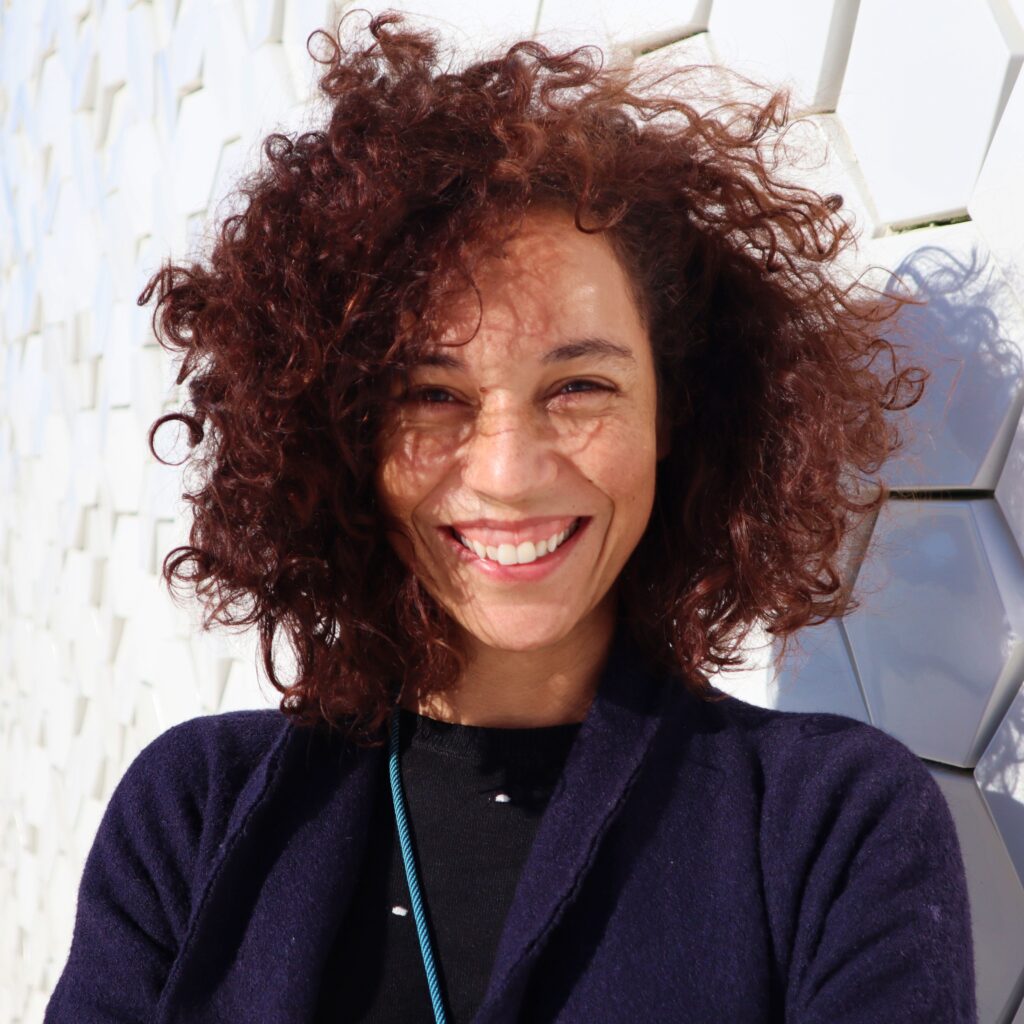
I am an Assistant Researcher at CIIMAR-UP, where I study the structure and functioning of marine ecosystems, considering natural, anthropogenic and climate change. My primary focus has been on benthic communities, including plants, invertebrates and fish, to understand the implications of altered diversity on ecosystem functioning. I am particularly interested in using this knowledge to contribute to decision-support frameworks for environmental management.
Currently, my research is directed towards exploring the importance of habitat-forming species as Nature-Based Solutions in mitigating and adapting to climate change. Additionally, I am actively involved in Ocean Literacy initiatives.
Marine forests are among the most productive vegetated habitats on Earth, covering ~ 25% of the world’s coastlines. These structurally complex habitats provide a wide range of ecosystem services, including supporting coastal biodiversity, sequestering carbon, and creating climate refugia. Their conservation and restoration are increasingly recognised as cost-effective Nature-Based Solutions (NBS) to address biodiversity loss and climate change. Yet, paradoxically, the very habitats with this mitigation potential are themselves under severe threat due to climate change. Along the Portuguese coast, warming is causing rapid shifts in marine forest communities, with structurally complex species being replaced by thermally tolerant or structurally simpler species (e.g., turf-forming), in a process known as tropicalisation. This has profound ecological consequences, leading to progressive functional homogenisation of seaweed communities. Despite increasing documentation of these structural shifts, their functional consequences and the effects on the ecosystem services remain critically underexplored.
The FUNSEA project aims to address this fundamental knowledge gap. Its main objective is to understand the functional impacts of seaweed loss and marine forests community change in a warming ocean, providing innovative trait-based and decision-support frameworks to assess these impacts and guide best practices for coastal ecosystem conservation and climate change mitigation. By using functional diversity frameworks as integrative indicators of ecosystem functioning, the project will characterise the functional traits of key marine forest species across depth, thermal, and latitudinal gradients along the Portuguese coast. We aim to identify which species and trait combinations contribute most to ecosystem functioning, determine functional thresholds to warming, assess whether thermally resistant communities retain functional capacity equivalent to those they replace, and pinpoint functionally unique species whose loss may disproportionately compromise ecosystem services.
The project will deliver: 1) a comprehensive empirical dataset linking seaweed traits to ecological processes and services; 2) functional indicators of ecosystem vulnerability and resilience applicable across thermal gradients to support EU directives; and 3) a decision-support tool integrating functional diversity data with climate change scenarios to guide informed management decisions for the conservation of marine forests as NBS.
Conducted by a multidisciplinary team at CIIMAR and MARE-IPL, FUNSEA will generate the knowledge and tools needed to ensure that marine forests fulfil their potential as resilient, climate-smart natural capital for present and future generations.